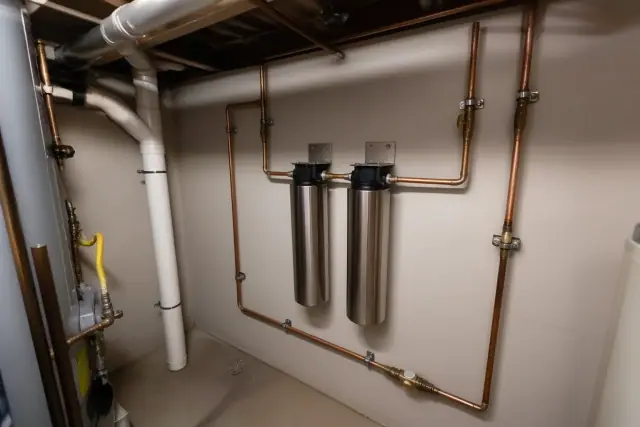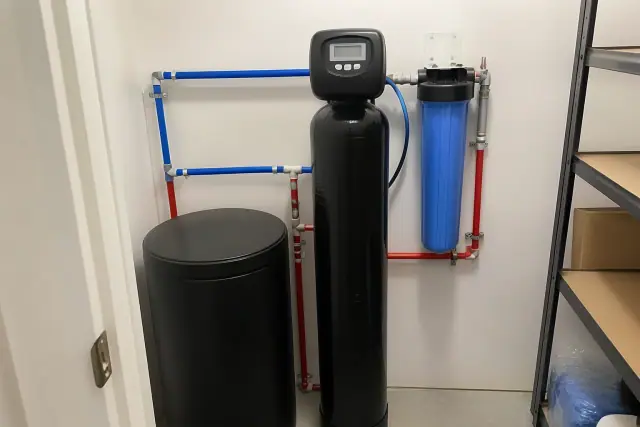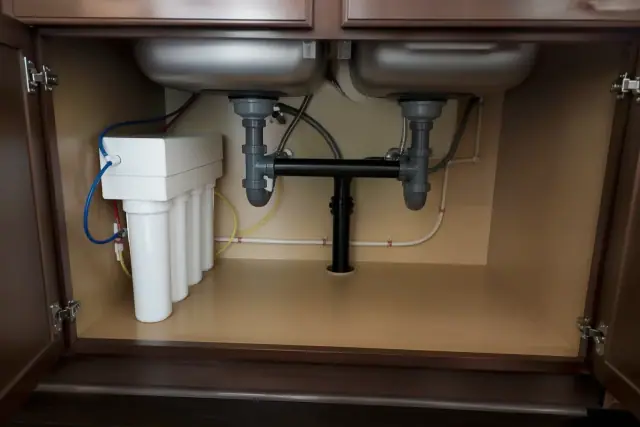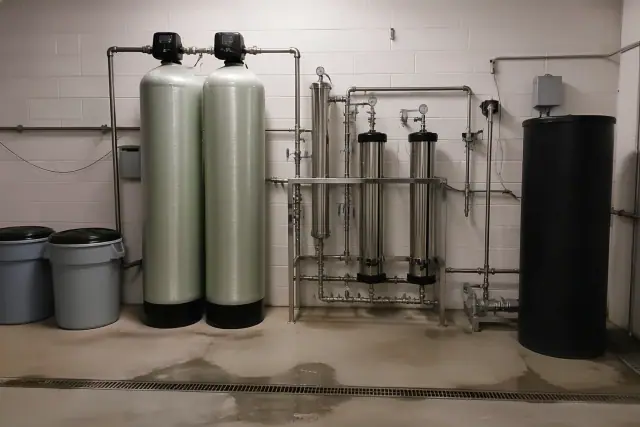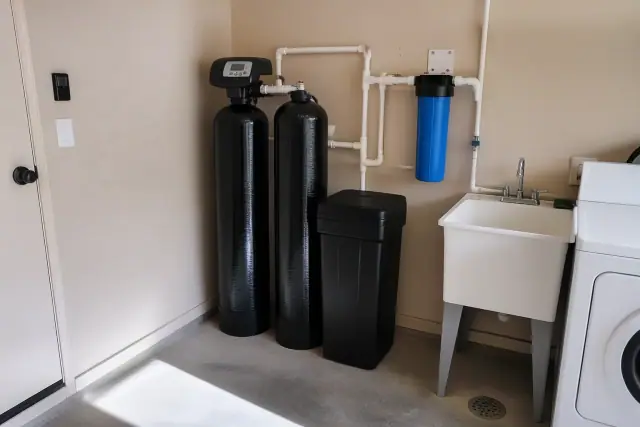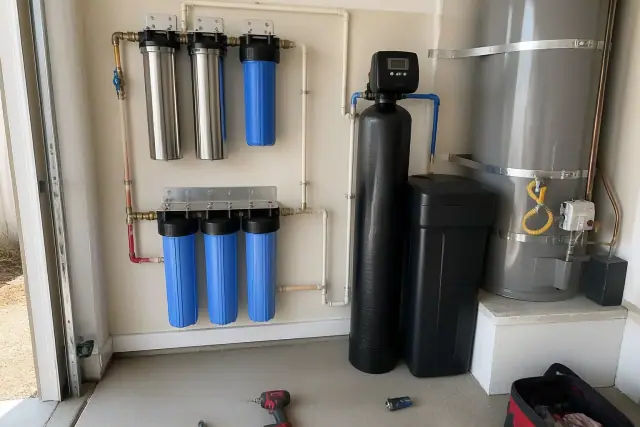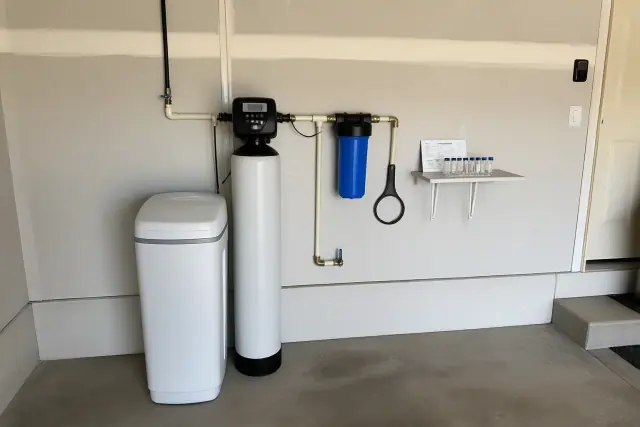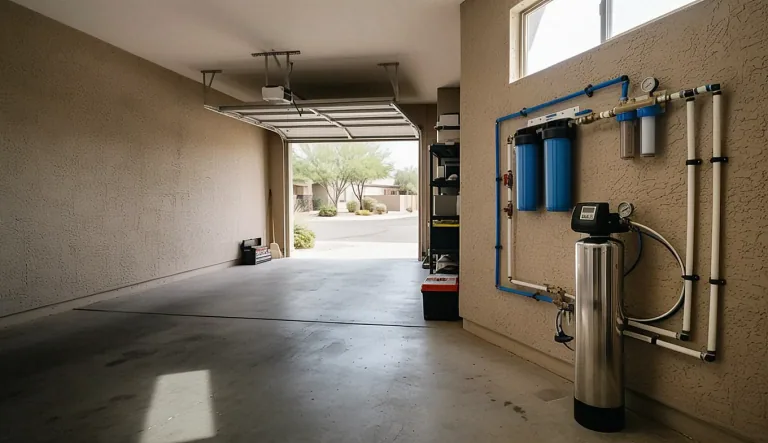
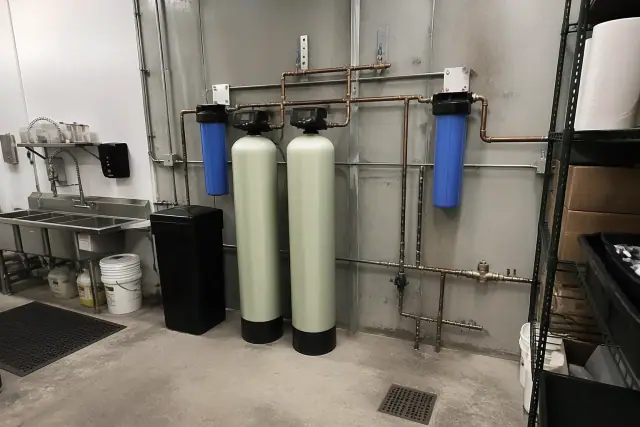
Tempe Water Filtration provides professional water filtration installation in Avondale, AZ for homeowners and businesses that want cleaner water, better taste, less scale, and a system selected from actual water testing. We install whole-home filtration systems, reverse osmosis drinking water systems, water softeners, sediment filters, carbon filtration, water treatment and more. Avondale residents often deal with hard water minerals, chlorine or chloramine taste, sediment, cloudy water, bottled water dependence, and drinking water concerns that may require more than a basic filter.
Avondale has a distinct West Valley water profile. The city describes its drinking water as a blend of surface water and groundwater, including Colorado River water delivered through an agreement with the City of Phoenix and groundwater pumped from production wells in the West Salt River Valley Sub-Basin. That mix can affect hardness, mineral taste, sediment behavior, and system sizing from one property to another.
Water treatment in Avondale should not be based on a generic Arizona package. A home in Garden Lakes, Rancho Santa Fe, Coldwater Springs, Crystal Gardens, Alamar, Corte Sierra, or Del Rio Ranch may have different plumbing, water pressure, water heater condition, fixture use, and filtration needs. Every recommendation from Tempe Water Filtration starts with real water testing, clear system options, transparent pricing, and a setup designed around your actual water.
★ 4.9/5 Average Rating · 20+ Years of Experience · Thousands of Customers Helped · Licensed & Insured · Residential & Commercial
Request Free Estimate
Your information is 100% secure
CORE SERVICES
Tempe Water Filtration installs and services water filtration systems throughout Avondale, including Garden Lakes, Rancho Santa Fe, Coldwater Springs, Crystal Gardens, Alamar, Corte Sierra, Del Rio Ranch, Roosevelt Park, Historic Avondale, and neighborhoods near Dysart Road, McDowell Road, Avondale Boulevard, Van Buren Street, and I-10.
Our system recommendations are built around your water test results, not a standard package. Some properties need a softener, some need under-sink RO, some need whole-home carbon filtration, and some need maintenance on equipment already installed.

Whole-property filtration is installed near the point where water enters the home or business. This approach helps treat water before it reaches showers, sinks, laundry, dishwashers, washing machines, water heaters, ice makers, coffee systems, and fixtures.
A whole-home setup may include sediment filtration, carbon filtration, catalytic carbon, specialty media, a water softener, or a combination of stages. The right setup depends on whether your main problem is sediment, chlorine taste, hardness, odor, PFAS concern, or general household water quality.
This system type is especially useful when multiple areas of the home are affected. If the shower smells like chlorine, the dishes have spots, the water heater has scale, and the drinking water tastes off, one single cartridge will usually not solve everything.
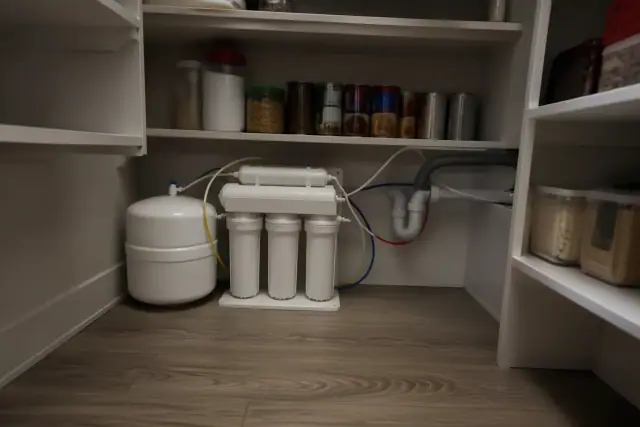
Reverse osmosis is typically installed under the kitchen sink to provide dedicated filtered water for drinking, cooking, coffee, tea, ice, and bottle filling. RO systems are commonly chosen when the concern is mineral-heavy taste, high TDS, PFAS, lead, copper, arsenic, nitrates, fluoride, or other dissolved contaminants.
An RO system is different from a basic taste filter. Carbon can help with chlorine taste and odor, while reverse osmosis is designed for many dissolved substances that ordinary filters may not address.
We install tank-style RO systems, tankless RO systems, multi-stage RO systems, and systems with remineralization when customers want a smoother final taste. We also explain filter schedules clearly so the system continues performing after installation.

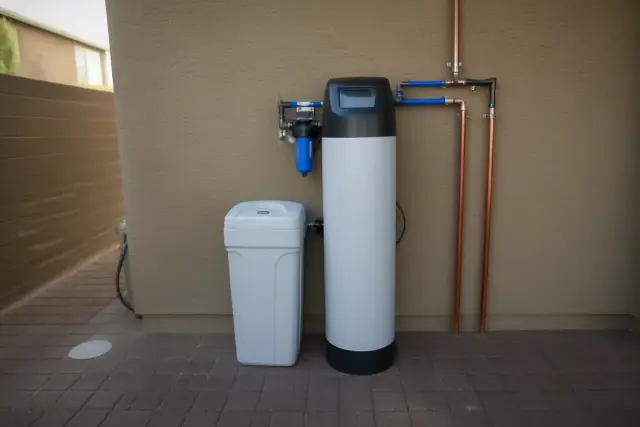
Water softener installation is a strong option when hard water is causing scale, spots, soap scum, dry-feeling skin, and appliance buildup. Softening targets calcium and magnesium minerals before they travel through the home.
A softener can help protect water heaters, dishwashers, washing machines, ice makers, coffee systems, fixtures, and valves from mineral buildup. It can also make cleaning easier because scale is reduced at the source.
We install salt-based water softeners, salt-free conditioners, high-efficiency units, dual-tank systems, and combination systems. We explain the difference between softening and conditioning so you understand whether the system removes hardness or changes how minerals behave.

Carbon filtration is used when the main complaint is chlorine taste, treated-water odor, chemical smell, or unpleasant flavor. Carbon can be installed as an under-sink filter, a drinking water stage, or a whole-home tank depending on the goal.
The system design matters because carbon needs enough contact time with the water. A small cartridge may help at one faucet, but it may not be enough for a full house with showers, laundry, and multiple fixtures running.
If chloramines are involved, catalytic carbon may be a better choice than standard carbon. Testing and system design help determine which media makes sense.

Sediment filtration captures physical particles before they reach fixtures and equipment. These particles can include sand, silt, rust, pipe scale, dirt, and visible debris.
Sediment can clog faucet screens, discolor filter housings, reduce flow, and shorten the life of carbon filters, softeners, RO membranes, water heaters, and appliance valves. Installing sediment filtration early in the treatment sequence can protect the rest of the system.
The correct sediment filter depends on particle size and flow demand. Some homes need a coarse pre-filter, some need a finer cartridge, and some need a staged approach.

Under-sink filters are compact systems installed below a kitchen sink, office sink, break room sink, wet bar, rental unit sink, or casita sink. They are best when the main goal is filtered water at one location.
Under-sink systems may use carbon, sediment, specialty cartridges, multi-stage filtration, or reverse osmosis. Before installation, we review cabinet space, drain access, shutoff valves, pressure, faucet placement, and future filter replacement access.
This is often the most practical first upgrade for homeowners who mainly want better drinking water. If the home also has scale or chlorine odor throughout the property, under-sink filtration can be paired with whole-home treatment.

Avondale businesses may need filtration for ice machines, coffee brewers, espresso equipment, beverage stations, dishwashers, customer water, employee drinking water, salon equipment, medical spaces, or dental equipment. Commercial systems must be designed around higher usage and easier service access.
A business near Avondale Boulevard, McDowell Road, Dysart Road, Gateway Crossing, Historic Avondale, or I-10 may need a different setup than a residential home. Daily gallons, peak demand, equipment specifications, and customer-facing water quality all affect the system design.
We install commercial RO, carbon filtration, sediment filtration, water softening, point-of-use drinking water systems, and larger whole-building setups when needed. The goal is reliable water quality without unnecessary downtime.

Existing water filtration systems can decline slowly when maintenance is missed. Filters expire, RO membranes age, softener settings drift, O-rings wear out, and storage tanks lose pressure.
Your Avondale content highlights useful maintenance expectations: many whole-house pre-filters are replaced every 3 to 6 months, RO membranes may last 1 to 3 years depending on conditions, and service plans can include filter reminders and scheduled visits.
We service many system types, including whole-home filters, under-sink filters, reverse osmosis systems, carbon filters, sediment filters, water softeners, and commercial setups. A maintenance visit may be the right first step before replacing equipment.

PFAS, lead, copper, heavy metals, nitrates, and other advanced drinking water concerns require more targeted treatment than a generic filter. A water softener alone will not remove PFAS or many dissolved contaminants.
Treatment options may include reverse osmosis, activated carbon, granular activated carbon, ion exchange, specialty cartridges, or a multi-stage system. The right choice depends on the contaminant, the test result, and whether the water is being treated at one tap or throughout the property.
We help Avondale homeowners compare systems based on verified reduction claims, replacement schedules, flow rate, and maintenance requirements. The goal is to avoid vague “purifier” claims and choose technology that matches the water concern.

Water quality testing helps identify whether the issue is hardness, chlorine, chloramines, TDS, sediment, pH, taste, odor, PFAS concern, heavy metals, or an old system that needs maintenance.
Testing also helps prevent buying the wrong equipment. A home with hard water scale does not need the same solution as a home with high TDS drinking water. A business with ice machine scale does not need the same setup as an office that only wants better break room water.
Your Avondale content emphasizes before-and-after water reports. That is useful because it gives homeowners a measurable baseline, shows what changed after installation, and makes future maintenance easier to understand.
Choosing A Service
Choosing the right water system starts by deciding which problem matters most. Avondale and homes in nearby cities like Surprise, AZ may need scale reduction, drinking water purification, chlorine taste control, sediment protection, PFAS-focused treatment, or maintenance for an old system.
Many properties need more than one technology. Sediment protects equipment, carbon improves taste and odor, softening reduces scale, and reverse osmosis improves drinking water. The right order matters.
Choose a water softener when the main issue is white buildup, dish spots, shower glass scale, soap scum, dry-feeling skin, or water heater buildup. These are usually hardness-related problems.
A properly sized softener is based on hardness, household size, water use, and plumbing layout. A larger home may need a different softener than a small rental or townhome.
Choose reverse osmosis when the main goal is better drinking and cooking water. RO can target mineral-heavy taste, TDS, PFAS concerns, heavy metals, nitrates, fluoride, and other dissolved contaminants depending on certification.
This system treats the water you consume most directly. It does not need to filter every gallon used for showers, laundry, or outdoor cleaning.
Choose carbon filtration when the water tastes treated, smells like chlorine, or affects ice, coffee, tea, and cooking. Carbon systems can be installed under the sink or at the main water line.
Whole-home carbon filtration requires more careful sizing than a small drinking water filter. Flow rate and media contact time are key.
Choose sediment filtration when particles are visible, faucet aerators clog, or water looks cloudy. Sediment filters are often used as protective pre-filters before other equipment.
Sediment filtration does not solve hard water or dissolved contaminants by itself. Its job is to capture particles and protect the rest of the system.
Choose a targeted drinking water system when the concern is PFAS, lead, copper, arsenic, nitrates, fluoride, or other advanced contaminants. These concerns usually require lab testing or a specific system certification review.
Reverse osmosis, activated carbon, granular activated carbon, ion exchange, and specialty cartridges may all be considered depending on the contaminant.
Choose maintenance when your current system is slow, leaking, producing poor-tasting water, or overdue for filter replacement. Not every problem requires a new system.
We inspect filter age, pressure, flow, RO membrane condition, softener settings, salt levels, and water quality before recommending replacement.
Tired of Bad Water?
Avondale water problems often show up through daily routines: showering, cleaning, making coffee, filling water bottles, washing dishes, doing laundry, and maintaining appliances. Some problems are aesthetic, while others point to system sizing or maintenance needs.
The most common complaints include scale, spots, chlorine taste, cloudy water, sediment, dry-feeling skin, appliance buildup, and bottled water dependence.
Scale often forms where water evaporates and leaves minerals behind. Faucets, shower doors, tile, sink edges, and fixtures can develop white residue that comes back quickly after cleaning.
A water softener helps address the hardness minerals that create this buildup. It can reduce scale at the source instead of only cleaning the symptom.
Dish spots are usually caused by minerals left behind after rinse water dries. The same minerals can also affect dishwasher performance and leave film on glassware.
Softening is usually the correct treatment category when the main complaint is spotting. If taste and odor are also a concern, a carbon or RO system may be added.
Chlorine taste may be most noticeable in ice, coffee, tea, soups, and plain drinking water. Even small taste issues can make homeowners avoid tap water.
Carbon filtration and reverse osmosis are both common solutions depending on whether the issue is only taste or a broader drinking water concern.
Cloudy water may come from air, sediment, plumbing conditions, or a filter that needs replacement. Visible particles may collect in faucet screens, sinks, tubs, or filter housings.
A sediment filter can help capture particles before they reach fixtures and downstream equipment. Testing helps determine whether sediment is the main issue or only part of the problem.
Hard water and sediment can affect water heaters, dishwashers, washing machines, ice makers, coffee systems, valves, and fixtures. Scale can reduce efficiency, while particles can clog screens and internal components.
A combined treatment setup can protect appliances better than one basic filter. Sediment filtration protects against particles, and softening helps reduce mineral scale.
Bottled water dependence is often a sign that the kitchen tap does not meet the household’s taste expectations. It also adds storage hassle, recurring cost, and plastic waste.
An under-sink reverse osmosis system can provide dedicated filtered water at the kitchen sink. Whole-home filtration and softening can then handle comfort, scale, and appliance concerns.
Built for Avondale's Hard Water, Chlorine Taste, and Drinking Water Concerns
Choosing the right water filtration company matters because equipment should be matched to the property. A Garden Lakes home, an Alamar new build, a Rancho Santa Fe family home, and an Avondale commercial space may all require different solutions.
Tempe Water Filtration uses testing, clear recommendations, professional installation, transparent pricing, before-and-after reporting, maintenance support, and warranty-backed service.
We do not start with a pre-selected equipment package. We test the water first and identify whether the main issue is hardness, chlorine, chloramines, sediment, TDS, pH, odor, PFAS concern, heavy metals, or existing system performance.
This helps prevent overbuying and underbuying. The right system should solve the specific problem instead of relying on broad claims.
Before-and-after reports help you see what the water looked like before treatment and how it changed after installation or service. This is especially useful for RO systems, carbon filtration, sediment filtration, and softeners.
A report also creates a maintenance baseline. When performance changes later, there is something to compare against.
Your Avondale content emphasizes transparent pricing and no hidden fees. That belongs on the page because water treatment customers want clarity before approving work.
We explain equipment, labor, installation needs, filter schedules, expected maintenance, and warranty support before the job begins.
How it works
Our process is designed to keep the project clear from the first call through long-term maintenance. We test the water, explain the results, compare options, install the system, and support it over time.
Each step is built around matching the actual water problem to the correct equipment.
01.
We start by discussing what you see, taste, smell, or experience. This may include scale, dish spots, cloudy water, chlorine taste, bottled water use, sediment, low flow, dry-feeling skin, or an existing system that is not working well.
We also review property type, plumbing access, fixture use, household size, business use, and budget. That helps shape the test and recommendation.
02.
We test the water for the concerns that matter most. This may include hardness, chlorine, chloramines, TDS, sediment, pH, taste, odor, pressure, and existing system performance.
For advanced concerns, lab testing may be recommended for PFAS, heavy metals, lead, copper, arsenic, nitrates, or other contaminants.
03.
After testing, we compare the equipment that actually matches the results. This may include softening, carbon filtration, sediment filtration, reverse osmosis, PFAS treatment, commercial filtration, specialty media, UV, or filter replacement.
We explain what each option solves and what it does not solve. This helps avoid common mistakes such as using a softener for chlorine taste or using a carbon filter for hard water scale.
04.
Once the system is selected, we install it at the correct location, connect it properly, check fittings, review pressure, confirm flow, and test operation.
We protect the work area and install the equipment with future service in mind. A system should be both effective and maintainable.
05.
After installation, we explain how the system works, where it is located, and what maintenance is required. We review filter changes, bypass valves, salt levels, RO faucet operation, tank fill time, pressure expectations, and replacement timelines.
When appropriate, before-and-after readings show what changed after installation. This gives you a measurable starting point for future service.
06.
After installation, we support the system with reminders, maintenance visits, filter replacement, softener service, RO membrane guidance, pressure checks, water testing, and preventative inspections.
Avondale water conditions and household usage can affect replacement timelines. A good maintenance plan helps prevent taste problems, low flow, expired filters, leaks, and preventable equipment issues.
Case study 1: An Avondale homeowner in Coldwater Springs or Rancho Santa Fe with scale on fixtures, dry-feeling skin, and spots on dishes may benefit most from a water softener paired with sediment pre-filtration. Testing hardness and reviewing household water use helps size the system correctly.
Case study 2: A household in Garden Lakes, Crystal Gardens, or Alamar that buys bottled water because of tap water taste may benefit from under-sink reverse osmosis. RO can provide dedicated filtered water for drinking, coffee, tea, cooking, ice, and bottle filling.
Case study 3: A business near Avondale Boulevard, I-10, Dysart Road, or Gateway Crossing may need commercial filtration for ice machines, coffee equipment, dishwashers, employee water, or customer-facing water. The correct setup depends on daily demand and equipment requirements.
GET CLEANER WATER
Cleaner water starts with testing, proper system design, and professional installation. Tempe Water Filtration installs and services whole-home filtration, reverse osmosis, water softeners, carbon filters, sediment filters, under-sink systems, PFAS filtration, commercial systems, and replacement filters throughout Avondale, AZ.
WATER FILTRATION HELP
If you are searching for Avondale water filtration installation, reverse osmosis installation, whole-home water filters, water softeners, chlorine filters, sediment filters, PFAS water filters, commercial filtration, or water quality testing near Avondale, our team is ready to help.
Avondale uses a blend of surface water and groundwater, and each property can also be affected by plumbing, water heater condition, existing filters, and fixture materials. Testing shows whether your main issue is hardness, chlorine taste, sediment, TDS, PFAS concern, or another water quality problem.
We install whole-home filtration systems, reverse osmosis systems, water softeners, carbon filters, sediment filters, under-sink filters, PFAS-focused systems, commercial filtration systems, UV systems, specialty media systems, and replacement filters.
Many Avondale homeowners experience hard water symptoms such as white scale, dish spots, shower glass residue, and buildup inside water heaters. A water test confirms the hardness level at your specific property.
A salt-based water softener is usually the strongest option for true hardness reduction. Salt-free conditioners may help with scale behavior in certain situations, but they do not remove calcium and magnesium the same way a softener does.
Avondale maintains chlorine in the distribution system for disinfection. Carbon filtration can help reduce chlorine taste and odor, especially when the media is properly sized for flow rate and contact time.
Reverse osmosis may be useful if your drinking water tastes mineral-heavy or if you are concerned about TDS, PFAS, lead, copper, arsenic, nitrates, fluoride, or dissolved contaminants. RO is usually installed under the kitchen sink.
No. A softener is designed for hardness minerals. PFAS, heavy metals, nitrates, arsenic, and dissolved contaminants usually require targeted filtration such as reverse osmosis, activated carbon, ion exchange, or specialty media depending on the test result.
Whole-home filtration is best when water problems affect showers, laundry, fixtures, and appliances. Under-sink RO is best when the main concern is drinking and cooking water. Many Avondale homes benefit from both.
Cloudy water may come from air, sediment, plumbing conditions, water heater buildup, or old filters. If cloudiness clears after sitting, air may be involved. If particles remain, sediment filtration or system service may be needed.
Replacement depends on system type and usage. Many whole-house pre-filters are replaced every 3 to 6 months, carbon filters often fall in the 6 to 12 month range, and RO membranes may last 1 to 3 years depending on water conditions.
Yes. Sediment filtration can capture particles, softening can reduce scale-forming minerals, and carbon filtration can improve taste and odor. The right setup may help protect water heaters, dishwashers, washing machines, ice makers, and fixtures.
Refrigerator filters are often designed for basic taste and odor improvement. They may not handle high TDS, PFAS, heavy metals, arsenic, nitrates, fluoride, or whole-home water issues. Reverse osmosis may be a better drinking water option.
Yes. When appropriate, we provide before-and-after water quality readings so you can see what changed after installation or maintenance. This helps confirm the system was selected for the right issue.
Testing may include hardness, chlorine, chloramines, TDS, sediment, pH, taste, odor, pressure, and existing system performance. Advanced lab testing may be recommended for PFAS, lead, copper, arsenic, nitrates, or other concerns.
Yes. Maintenance support can include filter reminders, scheduled service, RO membrane checks, softener maintenance, pressure checks, system testing, and emergency support when needed.
Cost depends on system type, test results, home size, plumbing access, equipment needs, and installation complexity. We provide transparent pricing before work begins so you understand equipment, labor, and maintenance expectations.
Yes. We install commercial filtration for offices, restaurants, coffee shops, gyms, salons, warehouses, break rooms, retail spaces, medical offices, dental offices, and other businesses.
We serve Avondale and nearby areas including Goodyear, Tolleson, Litchfield Park, Buckeye, Glendale, Phoenix, Peoria, Surprise, Tempe, and surrounding West Valley communities.
Call Tempe Water Filtration or request an estimate online. We will schedule a consultation, test your water, explain your options, provide a clear quote, and install the system that fits your Avondale property.
Phone: 480-631-3899
Email: [email protected]
Contact Us Anytime: Messages accepted 24/7
Business Hours:
Mon to Fri: 8:00 AM - 6:00 PM
© 2026 Tempe Water Filtration. All rights reserved.