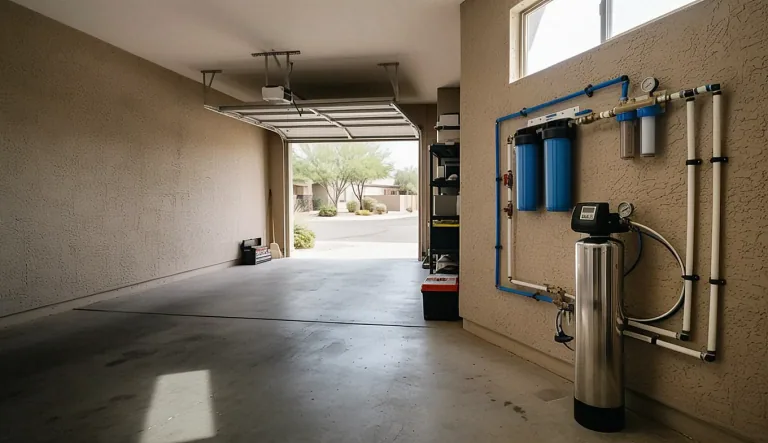
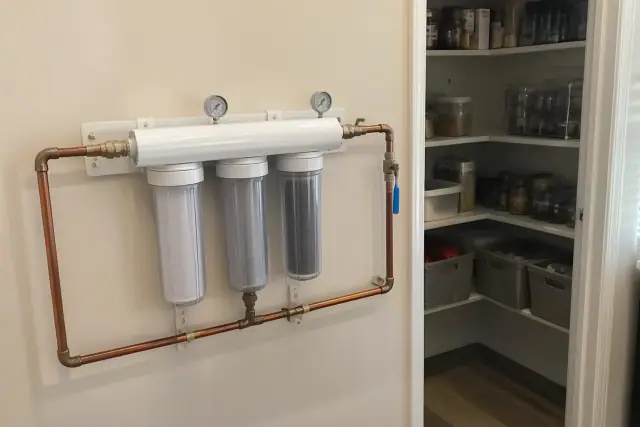
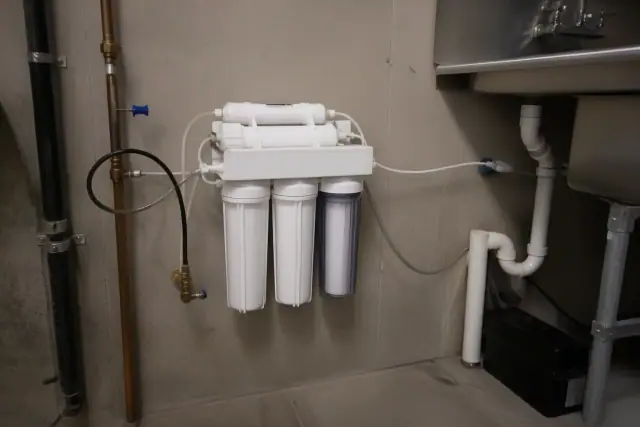
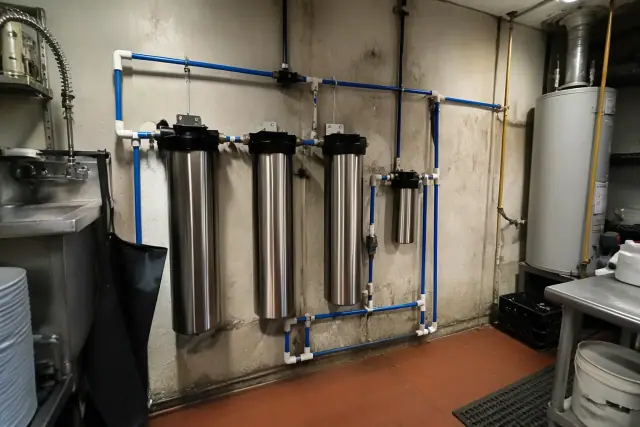
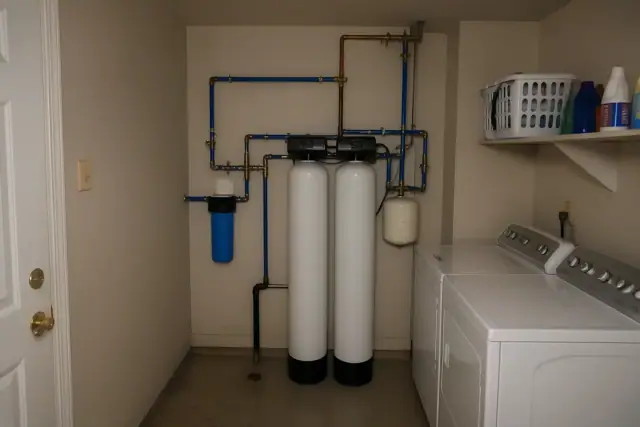
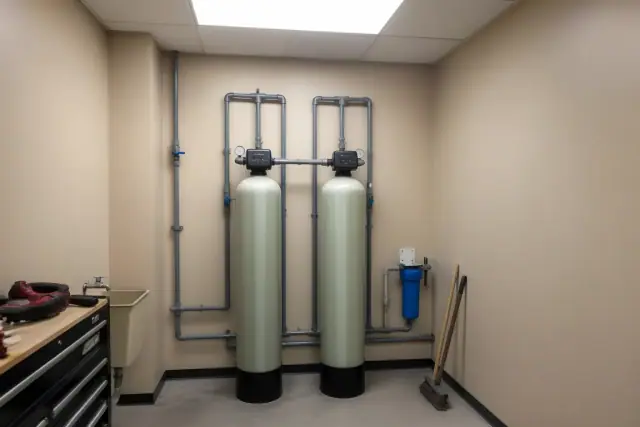
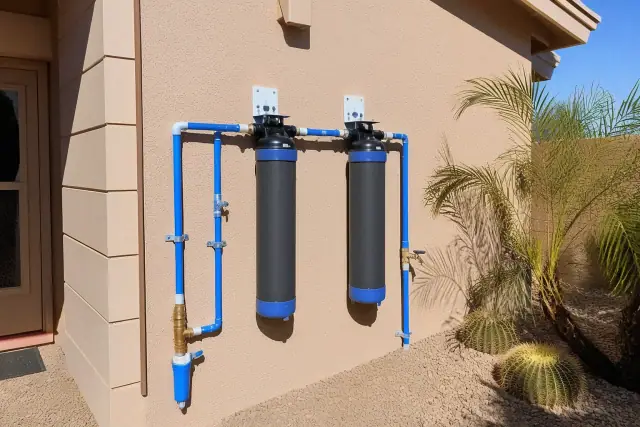
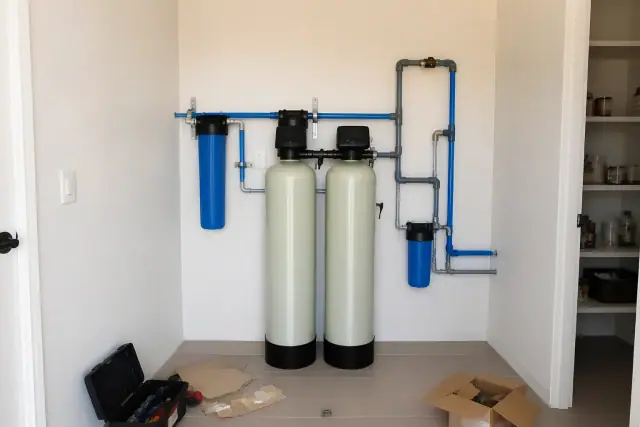
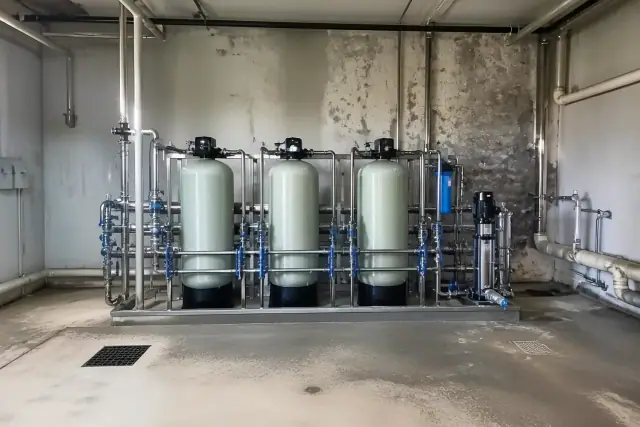
Tempe Water Filtration installs PFAS water filter systems for homes and businesses throughout Tempe, AZ and the greater Phoenix metro area. If you are concerned about PFAS, PFOA, PFOS, “forever chemicals,” drinking water quality, or whether your current filter is doing enough, our team can test your water and recommend a system designed around your actual results.
PFAS, or per- and polyfluoroalkyl substances, are a group of manufactured chemicals that do not break down easily in the environment. They may be found in drinking water sources, wastewater, soil, consumer products, and other pathways. Because standard sediment filters and basic faucet filters may not be designed for PFAS reduction, choosing the right filtration technology matters.
Tempe Water Filtration installs under-sink reverse osmosis systems, PFAS-rated activated carbon filters, whole-home PFAS filtration systems, granular activated carbon systems, specialty cartridge filters, and commercial PFAS water treatment systems. Every installation starts with real water testing, not a generic package.
Tempe Water Filtration installs PFAS water filtration systems throughout Tempe and the greater Phoenix metro area, including Phoenix, Scottsdale, Mesa, Chandler, Gilbert, Glendale, Peoria, Goodyear, Avondale, Surprise, Queen Creek, Apache Junction, Paradise Valley, Fountain Hills, Cave Creek, Laveen, Ahwatukee, Guadalupe and more.
★ 4.9/5 Average Rating · 20+ Years of Experience · Thousands of Customers Helped · Licensed & Insured · Residential & Commercial
Request Free Estimate
Your information is 100% secure
PFAS filtration is different from basic water filtration. The system must be selected based on the specific contaminants found in your water, the type of PFAS involved, the flow rate, the installation location, and the certification or performance claims of the equipment.
A PFAS water filter system is a filtration setup designed to help reduce per- and polyfluoroalkyl substances in water. Depending on the application, this may include reverse osmosis, activated carbon, granular activated carbon, carbon block filtration, ion exchange media, or a multi-stage system that combines more than one technology.
PFAS systems may be installed under the kitchen sink for drinking and cooking water, at the main water line for broader whole-home treatment, or in commercial settings where higher flow and larger capacity are needed.
A properly selected PFAS filtration system can help improve confidence in your drinking water and reduce reliance on bottled water. The right system depends on testing, certification, maintenance, and whether your goal is drinking water protection, whole-home filtration, or commercial water treatment.
Benefits may include:
Targeted reduction of PFOA, PFOS, and other PFAS compounds depending on system certification
Cleaner drinking and cooking water from a dedicated tap
Better-tasting water when paired with carbon filtration
Reduced reliance on bottled water
Under-sink, whole-home, and commercial system options
Can address PFAS along with chlorine, VOCs, sediment, TDS, and heavy metals depending on system design
Can be paired with whole-home filtration, water softening, or reverse osmosis
Before-and-after water quality testing available
Maintenance reminders to help prevent expired filter breakthrough
Custom system recommendations based on actual water analysis
PFAS Filter SERVICES
Tempe Water Filtration provides complete PFAS water filter installation from water testing and system selection to professional setup, water quality review, and long-term maintenance support. We focus on systems that match actual water conditions instead of selling one-size-fits-all filter packages.

PFAS filtration starts with water testing. Testing helps identify whether PFAS concerns are present and whether other water quality issues, such as chlorine, sediment, hardness, TDS, heavy metals, taste, or odor, should also be addressed.
Your water test results help us determine whether you need an under-sink RO system, PFAS-rated carbon filter, whole-home GAC system, ion exchange media, commercial filtration system, or combination setup. This approach helps avoid unnecessary equipment and prevents installing a filter that does not match your actual water concerns.

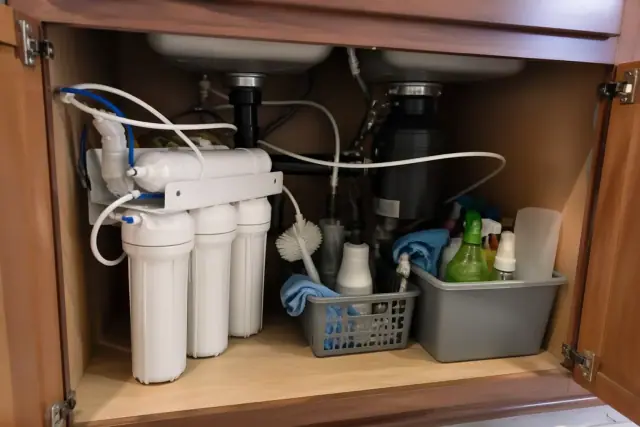
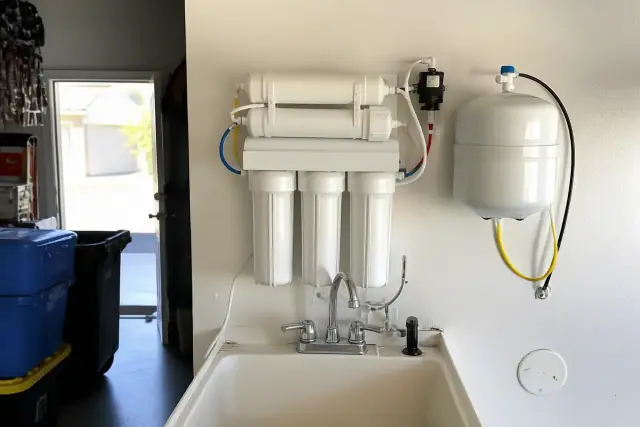
Under-sink reverse osmosis is one of the most common options for homeowners who want PFAS reduction at the drinking water tap. RO systems use a semi-permeable membrane along with pre-filters and post-filters to help reduce dissolved contaminants.
A PFAS-focused under-sink RO system may include sediment filtration, carbon pre-filtration, the RO membrane, a storage tank or tankless configuration, and a post-carbon polishing filter. These systems are commonly used for drinking water, cooking water, coffee, tea, ice, and bottle filling.

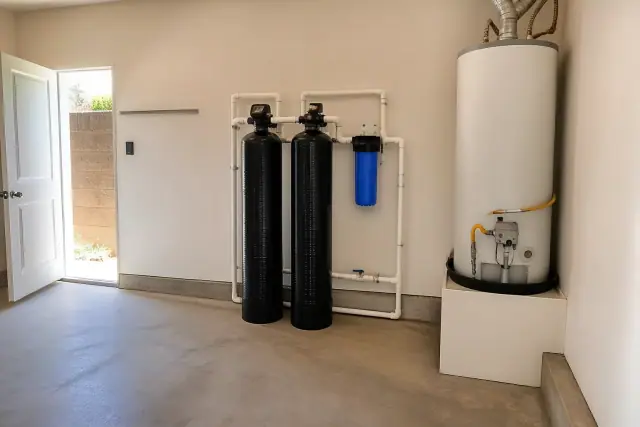
Whole-home PFAS filtration is designed to treat water as it enters the property. This option is often considered by homeowners who want broader treatment beyond one kitchen tap.
Whole-home PFAS systems may use granular activated carbon, specialty media, ion exchange, sediment pre-filtration, or combination treatment depending on water test results and flow rate needs. These systems must be sized properly so the water has enough contact time with the filtration media.

Activated carbon filtration is one of the most widely used technologies for PFAS reduction. Granular activated carbon, often called GAC, is commonly used in larger whole-home or commercial systems, while carbon block filters are often used in point-of-use drinking water systems.
Carbon performance depends on the PFAS compounds present, filter media, contact time, flow rate, system size, and replacement schedule. We help select the right carbon system based on testing and the type of installation.

If your current water filtration system is not designed for PFAS reduction, an upgrade may be needed. Some older under-sink filters, whole-home filters, and basic carbon cartridges may not have verified PFAS performance claims.
We evaluate your existing system and explain whether filter replacement, carbon media upgrade, RO membrane upgrade, added pre-filtration, or a new PFAS-rated system makes the most sense. This can help improve protection without replacing equipment unnecessarily.

PFAS filters have a limited service life. Once carbon media or specialty media becomes exhausted, PFAS and other contaminants may pass through. Maintenance is especially important for PFAS systems because performance depends on replacing filters before they exceed capacity.
Typical replacement intervals may include sediment pre-filters every 3 to 6 months, activated carbon blocks every 6 to 12 months, PFAS-rated specialty media about every 12 months, and RO membranes every 2 to 3 years depending on water quality and usage. Whole-home GAC tanks may last longer, but testing is the best way to confirm performance.
PFAS Filter types
Different homes and businesses need different PFAS water treatment systems. The right system depends on whether you want drinking water filtration, whole-home treatment, commercial filtration, PFAS-specific certification, flow capacity, maintenance preferences, and budget.

Under-sink reverse osmosis systems are a strong option when the main goal is PFAS reduction for drinking and cooking water. These systems are usually installed below the kitchen sink and connected to a dedicated filtered-water faucet.
Helps reduce PFAS, TDS, lead, fluoride, nitrates, arsenic, and dissolved contaminants depending on certification
Commonly installed under the kitchen sink
Uses sediment, carbon, RO membrane, and post-filter stages
Often the most cost-effective starting point for drinking water PFAS concerns
Requires routine filter and membrane replacement
Whole-home PFAS filtration systems treat water as it enters the property. These systems are often used when homeowners want broader treatment for more than one tap.
Installed near the main water line
Can treat water before it reaches faucets, showers, fixtures, and appliances
Often uses GAC, specialty media, ion exchange, or multi-stage filtration
Requires proper sizing for flow rate and contact time
Best selected after water testing and system design review


Granular activated carbon filters use a bed of carbon media to adsorb contaminants as water passes through. GAC is commonly used for whole-home and commercial PFAS filtration.
Strong option for certain long-chain PFAS compounds
Commonly used in larger tanks for whole-home or commercial treatment
Can also help reduce chlorine taste, odor, and some VOCs
Performance depends on contact time, carbon type, and media condition
Requires replacement or media service before breakthrough occurs
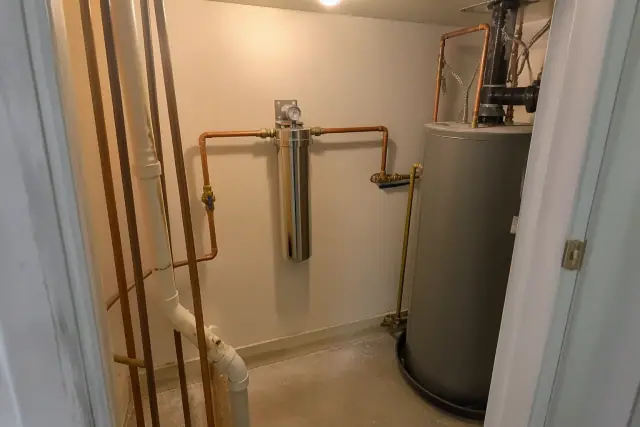
Carbon block filters use compressed activated carbon in a dense cartridge. These are commonly used in under-sink drinking water systems and specialty cartridges.
Compact option for drinking water filtration
Can help reduce chlorine, taste, odor, VOCs, and PFAS when certified for PFAS reduction
Often used as part of multi-stage under-sink systems
May provide finer filtration than loose carbon media
Replacement schedule depends on water use and rated capacity


Ion exchange media can be used for certain PFAS treatment applications. This technology uses specialized resins designed to attract and capture targeted contaminants.
May be used for specific PFAS reduction goals
Can be effective for certain short-chain and long-chain PFAS applications
Often used in advanced or commercial water treatment designs
Requires proper system design and media monitoring
Best recommended after testing and professional system evaluation
Commercial PFAS filtration systems are designed for offices, restaurants, break rooms, multi-unit properties, medical spaces, retail spaces, and other businesses with higher water demand.
Sized around commercial flow rate and daily gallons used
Can include RO, GAC, carbon block, ion exchange, or multi-stage treatment
Useful for drinking water, food service, beverage stations, and customer water
Requires maintenance plans based on usage and water quality
Can include before-and-after water quality documentation

Choosing a PFAS System
Choosing the right PFAS filter is not just about buying the most expensive system. The best system depends on your water test results, target contaminants, system certification, water pressure, flow rate, household usage, installation location, and maintenance expectations.
Testing helps determine whether PFAS are present and whether other water quality concerns should be addressed at the same time. Common related issues include chlorine, chloramines, sediment, TDS, hardness, heavy metals, taste, and odor.
We use water testing to recommend a system designed around your actual water instead of relying on regional assumptions.
Not every filter certified under a general standard is certified to reduce PFAS. The certification scope matters. A filter should be evaluated based on the exact contaminants it is certified or tested to reduce.
We help homeowners and businesses compare systems based on PFAS-specific performance claims, NSF/ANSI standards, manufacturer documentation, and maintenance requirements.
An under-sink PFAS system treats water at one tap, usually the kitchen sink. This is often the best fit when your main concern is drinking and cooking water.
A whole-home PFAS system treats water at the main line. This may be a better fit when you want broader treatment throughout the property. Some homes choose both.
Reverse osmosis systems often need adequate water pressure to work properly. Many RO systems require around 40 to 60 PSI, and Tempe municipal water may commonly operate in the 60 to 80 PSI range. Pressure is tested before installation so the system can be configured correctly.
Whole-home PFAS systems must also be sized for flow rate. If the system is too small, water may move too quickly through the media or create pressure drop.
PFAS filters must be maintained on schedule. Expired carbon or specialty media may allow contaminant breakthrough, and RO systems need pre-filter and membrane service to keep working properly.
We explain replacement intervals before installation and provide reminders so maintenance does not get missed.
Choosing the right PFAS water filtration company matters. Tempe Water Filtration provides local water testing, custom system recommendations, professional installation, and ongoing maintenance support for homeowners and businesses concerned about PFAS and drinking water quality.
Our team understands common Tempe water concerns, including PFAS monitoring, chlorine taste and odor, sediment, hard water minerals, TDS, and drinking water preferences.
Because we work with local water conditions, we can recommend systems that make sense for Tempe-area homes and businesses.
We start with water testing before recommending a PFAS filter. Testing helps identify whether your property needs reverse osmosis, activated carbon, GAC, carbon block filtration, ion exchange, whole-home filtration, or a combination system.
This helps you make an informed decision before investing in PFAS treatment.
We do not install one-size-fits-all PFAS systems. Your recommendation is based on water test results, property type, water pressure, flow rate, household size, commercial demand, installation location, budget, and maintenance preferences.
This helps avoid undersized systems, unnecessary equipment, and filters that do not match the actual water problem.
PFAS filtration systems need proper placement, sizing, plumbing connection, leak checks, pressure checks, system startup, and water quality review. Our technicians handle installation carefully and explain how the system works before leaving.
Most under-sink RO installations can be completed in about 2 to 3 hours, while larger whole-home or commercial PFAS systems depend on plumbing access, system complexity, and installation location.
Tempe Water Filtration installs PFAS filtration systems for homes, offices, restaurants, break rooms, multi-unit properties, retail spaces, and commercial facilities.
Whether you need an under-sink drinking water system or a higher-capacity commercial PFAS system, we help match the equipment to your water quality and usage.
PFAS filtration performance depends on routine maintenance. We provide filter replacement reminders, scheduled service, water quality retesting, pressure checks, RO membrane inspections, media replacement guidance, and troubleshooting.
If your system loses pressure, filtered water quality changes, or filters are past their service life, our team can help.
How it works
Our process is designed to make PFAS water filtration simple, clear, and reliable. From testing to maintenance, we help you understand your water and choose a system that fits your home or business.
01.
Call Tempe Water Filtration or submit the estimate form to tell us about your PFAS concerns, drinking water goals, property type, plumbing setup, and current filtration system.
We will discuss whether you are looking for under-sink RO, whole-home PFAS filtration, activated carbon, GAC, commercial filtration, or a system upgrade.
02.
We test for PFAS concerns and related water quality issues such as chlorine, sediment, TDS, hardness, heavy metals, taste, odor, and pH.
Testing helps us understand what your property needs before recommending equipment.
03.
After reviewing your test results, water pressure, flow rate needs, installation location, and budget, we recommend the PFAS filtration system that best fits your home or business.
We explain system type, certifications, maintenance schedule, installation needs, and pricing before work begins.
04.
Our technicians install the system, connect it to the correct plumbing location, check fittings, test pressure, inspect for leaks, and confirm proper operation.
We work carefully to protect your home or business and minimize disruption.
05.
After installation, we review system operation, maintenance expectations, filter replacement timing, and water quality goals.
When appropriate, we provide before-and-after water quality results so you can see measurable changes.
06.
After installation, we provide ongoing support, filter replacement reminders, water quality retesting, system inspections, RO membrane checks, media replacement guidance, and troubleshooting.
Our goal is to keep your PFAS filtration system performing properly over time.
GET CLEANER WATER
PFAS concerns require the right testing, filtration technology, installation, and maintenance plan. Tempe Water Filtration installs under-sink PFAS reverse osmosis systems, whole-home PFAS filtration systems, activated carbon filters, GAC systems, specialty cartridges, and commercial PFAS water treatment systems throughout Tempe, AZ and the Phoenix metro area.
WATER FILTRATION HELP
PFAS water filtration can be confusing because not every filter is designed for PFAS reduction. These FAQs answer the questions homeowners and businesses often ask before choosing a PFAS-rated system.
PFAS are per- and polyfluoroalkyl substances, a group of manufactured chemicals used in many products for stain resistance, water resistance, grease resistance, and other properties. They are often called forever chemicals because they do not break down easily in the environment.
Tempe publishes PFAS information and continues to monitor PFAS in water sources. Recent published data has shown detectable ranges for some PFAS compounds in certain water sources. Testing your property helps determine what is actually present at your tap.
The EPA’s drinking water regulation established enforceable Maximum Contaminant Levels for PFOA and PFOS at 4.0 parts per trillion. Public water systems must follow EPA compliance timelines, and homeowners may choose point-of-use or whole-home filtration for added protection at their property.
Technologies commonly used for PFAS reduction include reverse osmosis, activated carbon, granular activated carbon, and ion exchange. The right system depends on the type of PFAS, water quality, flow rate, system certification, and maintenance schedule.
Yes, reverse osmosis is commonly used for PFAS reduction in drinking water systems. An under-sink RO system may be a strong option when your main concern is drinking and cooking water at the kitchen tap.
Activated carbon can help reduce certain PFAS compounds, especially when the system is properly sized and maintained. Performance depends on media type, contact time, PFAS type, flow rate, and replacement schedule.
Whole-home PFAS filtration treats water as it enters the property and can serve multiple fixtures. Under-sink RO treats water at one tap, usually the kitchen sink, and is often used for drinking and cooking water. Some properties benefit from both.
Yes, certain multi-stage systems can address both PFAS and microplastics. Sediment filters or membranes can help capture microplastics, while activated carbon, ion exchange, or reverse osmosis are used for PFAS reduction.
Many under-sink PFAS reverse osmosis systems can be installed in about 2 to 3 hours. Whole-home and commercial systems may take longer depending on plumbing access, system size, and installation complexity.
Under-sink systems typically do not require a permit in most standard installations. Whole-home systems connected at the main water line may require additional plumbing review depending on scope. Tempe Water Filtration can explain what applies to your project.
Many RO systems need around 40 to 60 PSI to operate properly. Tempe municipal water may commonly operate in the 60 to 80 PSI range, but we test pressure before installation to confirm proper system performance.
Replacement timing depends on the system. Sediment pre-filters may need replacement every 3 to 6 months, carbon filters every 6 to 12 months, PFAS-rated specialty media about every 12 months, and RO membranes every 2 to 3 years. Whole-home GAC media may last longer, but water testing is the best way to confirm performance.
Water testing is the most reliable way to confirm PFAS filter performance. Other warning signs may include taste or odor changes, reduced water pressure, expired filter life, or system performance changes.
Look for filters with PFAS-specific reduction claims under applicable NSF/ANSI standards, such as NSF/ANSI 53 for certain carbon systems and NSF/ANSI 58 for reverse osmosis systems. The certification scope should clearly list which PFAS compounds the system is tested to reduce.
Yes. Many homes use a combination setup. Whole-home filtration can help with sediment, chlorine, and general water quality, a water softener can address hard water scale, and an under-sink RO system can provide PFAS-focused drinking water filtration.
Call or request a free estimate online. We will schedule your water consultation, test your water, explain your options, and provide a clear quote for Tempe water filtration installation.
Phone: 480-631-3899
Email: [email protected]
Contact Us Anytime: Messages accepted 24/7
Business Hours:
Mon to Fri: 8:00 AM - 6:00 PM
© 2026 Tempe Water Filtration. All rights reserved.